For iPhone and iPad
Egypt: Hieroglyphics Scanner
Stand in front of a temple wall and finally know what you are looking at.
Coming soon to the App StoreCHF 9.90 once. No subscription, no ads, no account, no tracking.
Scan hieroglyphs
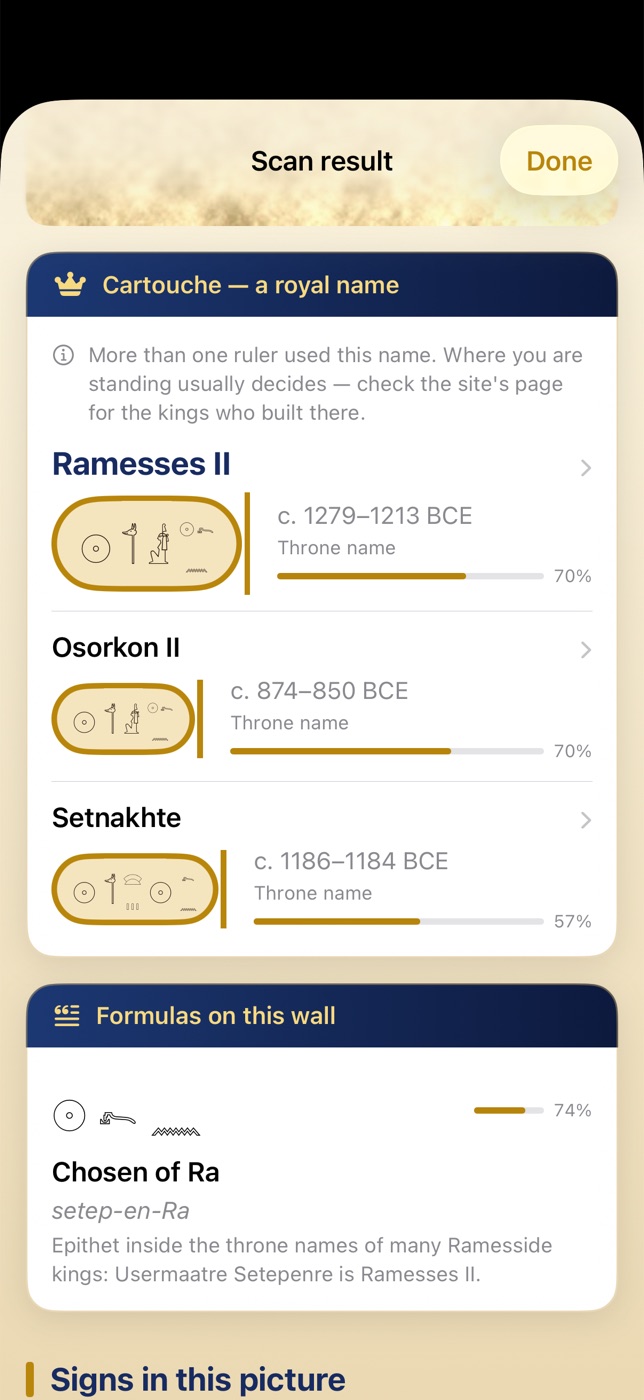
Point the camera at an inscription: the app finds every sign and tells you its name, its sound and its meaning.
- Frame a cartouche — the oval ring around a royal name — and the app tells you which king or queen it names, with a link to their full story.
- It recognises the formulas that appear on almost every wall: “Son of Ra”, “Lord of the Two Lands”, “given life forever”, “an offering which the king gives”…
- Everything runs on your iPhone. No internet needed inside a tomb or a museum, and your photos never leave your device.
Honest by design: the scanner is a reading aid. It reads signs, royal names and stock phrases; it does not pretend to translate whole texts, and it always shows how sure it is.
3,000 years, one story
Eleven periods from the first farmers on the Nile to the last temple inscription — beginning, rise, golden age, crisis, decline — with a chart that shows the whole arc at a glance.
- 80 rulers in depth: Narmer, Khufu, Hatshepsut, Thutmose III, Akhenaten and Nefertiti, Tutankhamun, Ramesses II, the Kushite kings, Cleopatra VII and Caesarion, the last pharaoh. What happened in each reign, and how we know.
- The gods of every age: 40 deities and how to recognise each one on a wall — plus the seventeen years when Egypt had only one god.
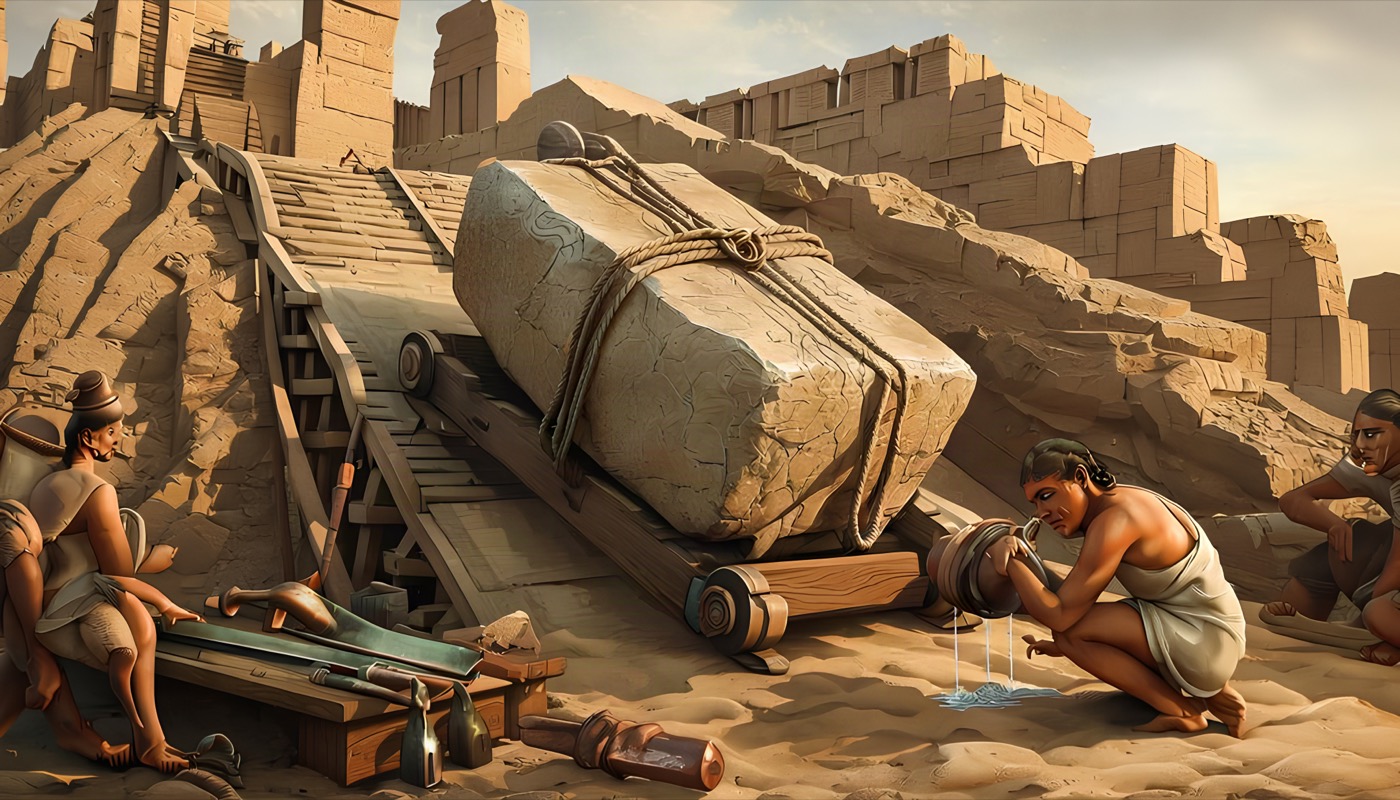
- Twenty long reads on science, medicine, daily life, women and queens, war, tomb robbers, revolts and the first recorded strike in history. How were the pyramids built (not by slaves, not by aliens)? What did Egyptian astronomers know?
- 80rulers
- 11periods
- 40gods
- 20long reads
The Nile on a map
76 places from Meroë and Abu Simbel to Alexandria: temples, pyramids, tombs, palaces, quarries and fortresses, each with its story, what to look for, and which royal names you will find there.
Upper and Lower Egypt
Explained properly — including why “Upper” is in the south.
Egypt abroad
The obelisks of Rome, Paris, London, New York and Istanbul, and the great museum collections.
Ready before you travel
Every site page works without a connection; only the map tiles themselves need the internet.
Hieroglyph course: from zero to professor
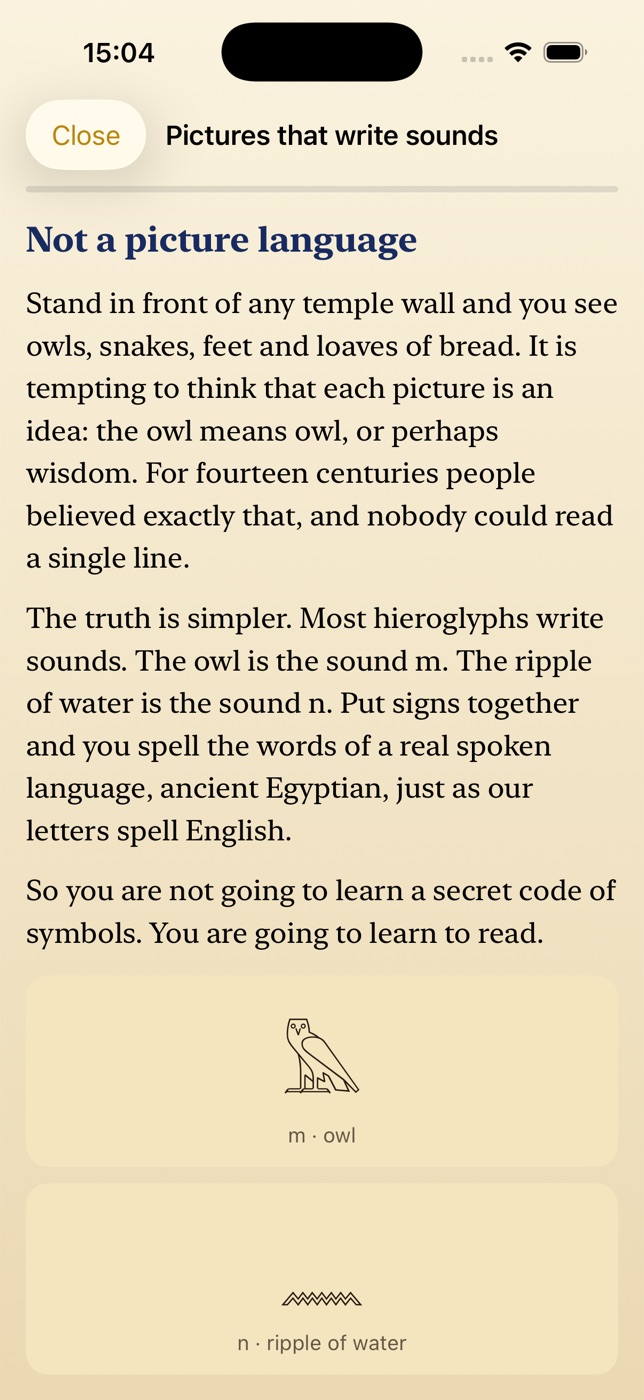
Seven levels, 49 lessons: the 24 one-consonant signs, how the writing system really works, royal names, the formulas on every wall, a first grammar, real inscriptions, and the long life of the script.
- More than 700 questions in the course, with an exam at the end of every level — and more than 1,100 quiz questions across the rest of the app.
- A searchable list of 245 signs, each one shown inside real royal names.
- Your name in hieroglyphs: write it in a cartouche and share it.
- Rise from apprentice scribe to pharaoh.
- 7levels
- 49lessons
- 239signs
- 76places
Works offline. No tracking. One price.
Offline
The whole app — texts, images, sign list and scanner — is on your device. It works inside a tomb, in a museum basement and on a plane. The only thing that needs the internet is the map tab, which loads Apple Maps tiles.
No tracking
No account, no analytics, no advertising, no third-party SDKs. Camera images are analysed on the device and never uploaded. Apple lists the app as “Data Not Collected”.
One price
CHF 9.90 once. No subscription and no in-app purchases — everything described on this page is included.
Made with care
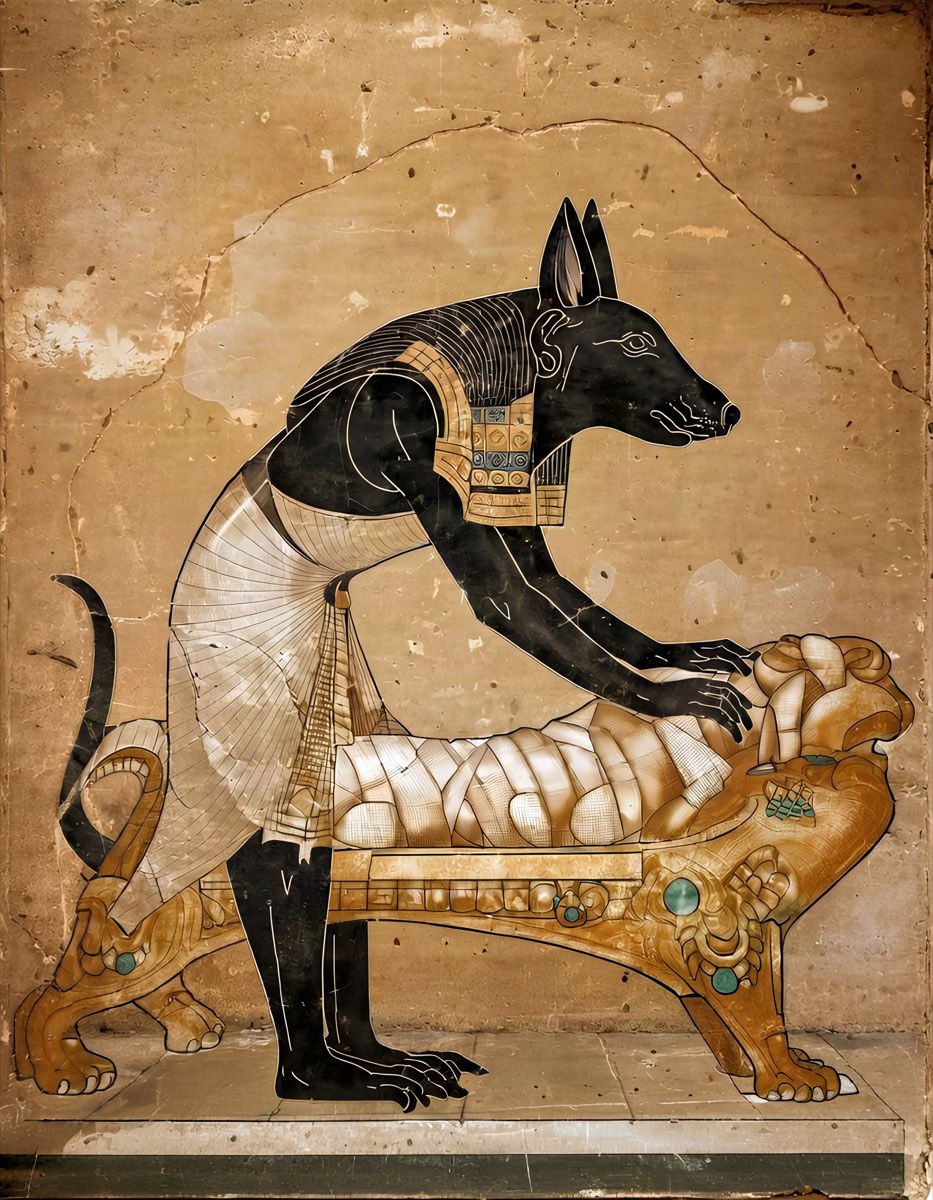
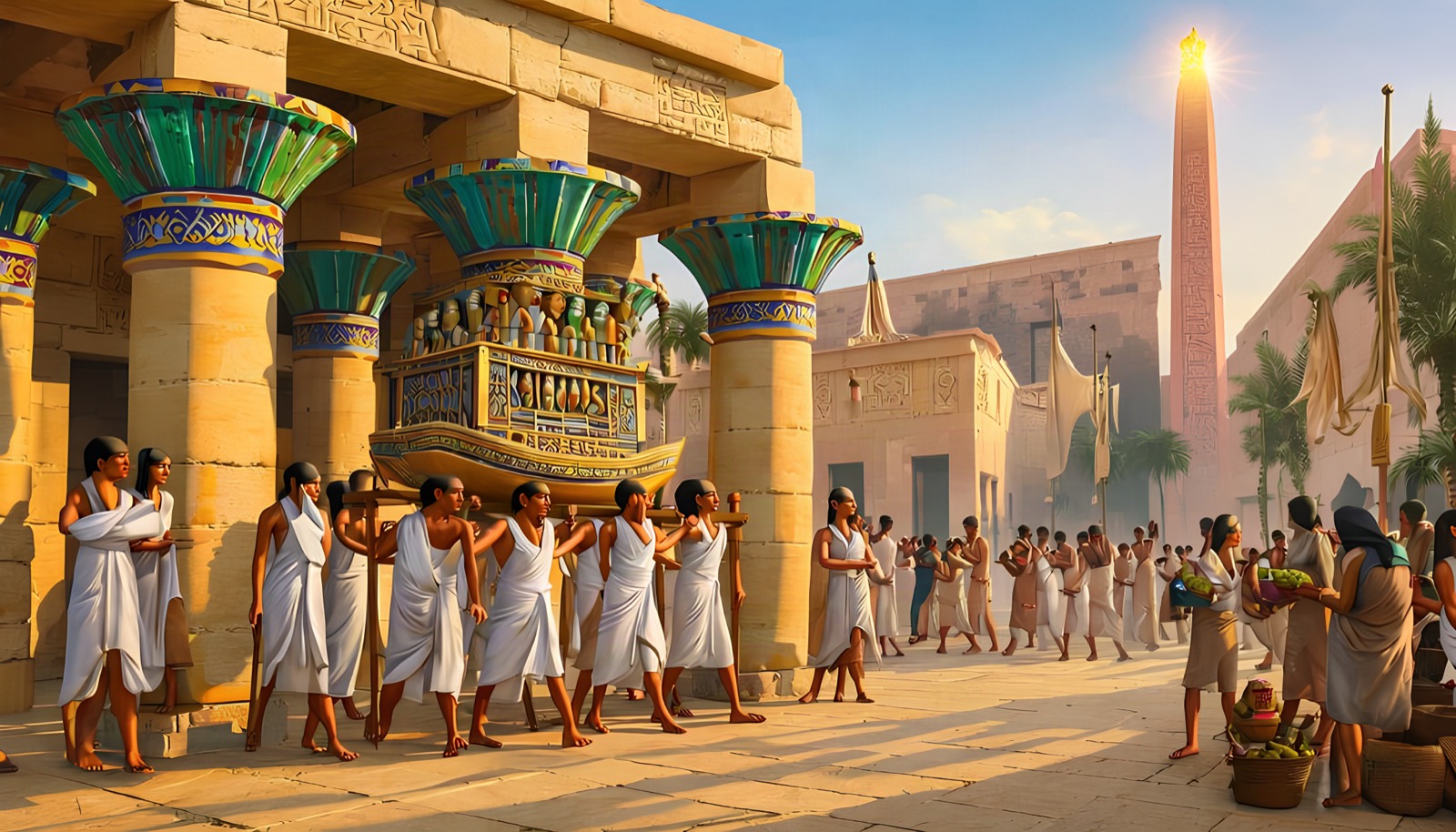
Dates follow the Oxford History of Ancient Egypt. Legends are labelled as legends, debates as debates. Photographs of real monuments come from Wikimedia Commons with full credits; atmospheric scenes are clearly illustrations.
A look inside
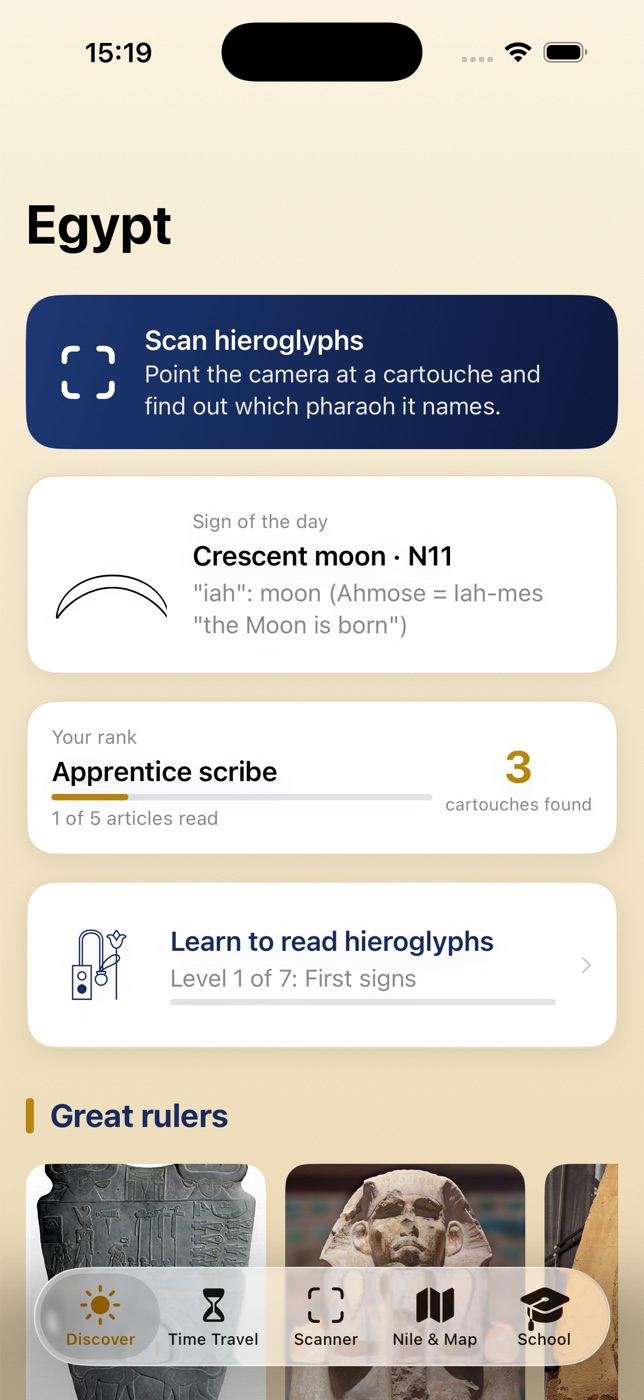
Photographs of real monuments come from Wikimedia Commons with per-image credits; atmospheric scenes are illustrations and are labelled as such inside the app.
Thirteen languages
The app follows the language of your iPhone.
- English
- German
- French
- Italian
- Spanish
- Portuguese
- Dutch
- Turkish
- Arabic
- Japanese
- Korean
- Hindi
- Indonesian